THE HISTORY OF THE CHURCH
History of The Church of Pentecost (Ghana)
1. Origins (1917–1937): The Seeds of Pentecostal Revival
The story of The Church of Pentecost begins with the revival fire that swept through the Gold Coast (now Ghana) in the early 20th century.
In 1917, a faith-healing ministry known as the Faith Tabernacle emerged in Asamankese, in the Eastern Region, through Peter Anim Newman, a devout Christian teacher who had encountered Pentecostal teachings through tracts from the Faith Tabernacle Church of Philadelphia (USA).
Anim’s ministry emphasized divine healing, holiness, and the power of the Holy Spirit, marking the early foundations of the Pentecostal movement in Ghana.
2. Connection with the Apostolic Faith (1937–1939)
In 1937, after corresponding with missionaries from the Apostolic Faith Church based in Portland, Oregon (USA), Peter Anim’s group affiliated with them.
Later, due to doctrinal differences about the Trinity, Anim’s group severed ties with them and became associated with the Apostolic Church in Bradford, England, in 1939.
This new connection led to the arrival of the first Pentecostal missionary from the UK — Pastor James McKeown — who became central to the next phase of the church’s growth.
3. The Coming of James McKeown (1937–1953)
In 1937, the Apostolic Church, Bradford, sent Pastor James McKeown, a young missionary from Ireland, to the Gold Coast to strengthen and organize the young Pentecostal movement.
McKeown began his work in Asamankese, where he brought strong biblical teaching and organization. However, a major dispute arose in 1938 when McKeown fell ill with malaria and received medical treatment instead of relying solely on divine healing — a practice that some local believers viewed as unbelief.
This disagreement caused a division in the movement:
- Peter Anim and his followers continued as The Apostolic Church – Gold Coast, maintaining their original views.
- James McKeown led a new group that became known as The Apostolic Church (British Section), and later as The Gold Coast Apostolic Church.
4. From Apostolic Church to The Church of Pentecost (1953–1962)
As the years passed, McKeown’s movement spread rapidly across the Gold Coast. However, conflicts between the local leadership and the British Apostolic headquarters intensified.
In 1953, a major separation occurred, and McKeown’s group officially broke away from the Apostolic Church (UK).
To reflect its independent identity, the church was first renamed “The Gold Coast Apostolic Church.”
But after Ghana gained independence in 1957, and due to a name conflict with another group, the church was renamed “The Church of Pentecost” in August 1962, under the guidance of President Dr. Kwame Nkrumah, who advised the leadership to choose a name that reflected Ghana’s identity.
Thus, The Church of Pentecost (CoP) was officially born in 1962, with James McKeown as its first Chairman.
5. Growth and Global Expansion (1962–Present)
From its humble beginnings, The Church of Pentecost grew into a nationwide revival movement characterized by:
- Strong emphasis on the baptism and power of the Holy Spirit,
- Evangelism and discipleship,
- Church planting,
- Holiness and prayer, and
- Active lay participation.
After James McKeown’s retirement in 1982, the following leaders succeeded him:
| Chairman | Years of Service | Notable Contributions |
|---|---|---|
| Apostle Fred Stephen Safo | 1982–1987 | Strengthened administrative structures |
| Apostle Dr. Michael Ntumy | 1998–2008 | Expanded international missions |
| Apostle Professor Opoku Onyinah | 2008–2018 | Established Pentecost University, introduced Vision 2023 |
| Apostle Eric Nyamekye | 2018–Present | Promotes “Possessing the Nations” agenda |
Under these leaders, the church expanded across Africa, Europe, the Americas, and Asia, now present in over 150 nations worldwide.
6. Current Status and Global Impact
Today, The Church of Pentecost is one of the largest Pentecostal denominations in the world, with:
- Over 4 million members in Ghana,
- More than 4 million international members,
- Thousands of pastors, missionaries, and local assemblies,
- A robust educational, social, and development outreach, including Pentecost University, Pentecost Hospital, and community transformation initiatives under Vision 2028: “Possessing the Nations.”
The church remains Bible-based, Spirit-filled, mission-minded, and holiness-driven, working to transform every sphere of society with the principles of the Kingdom of God.
7. Motto and Core Beliefs
- Motto: Holiness unto the Lord
- Vision: To become a global Pentecostal church that is spiritually vibrant and socially relevant in our world.
- Core Values:
- Evangelism
- Discipleship
- Ministry excellence
- Integrity and accountability
- Prayer and holiness
- Leadership development
Summary
The Church of Pentecost began as a small faith-healing movement in Asamankese and, through the work of Peter Anim Newman, James McKeown, and generations of faithful believers, has grown into a global Pentecostal powerhouse, transforming lives and nations through the power of the Holy Spirit.
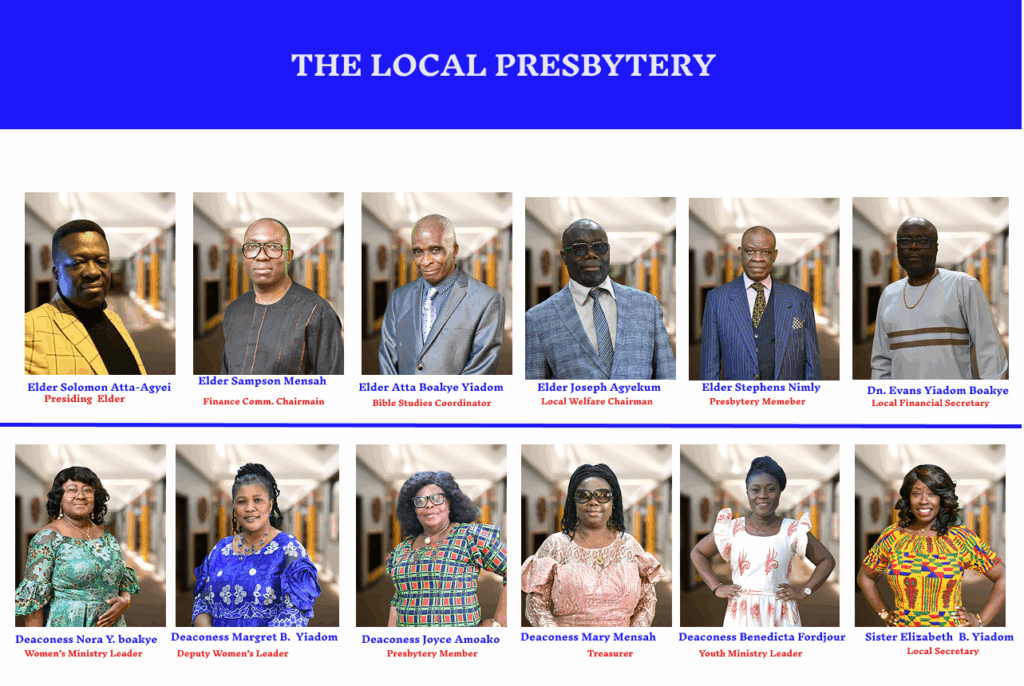
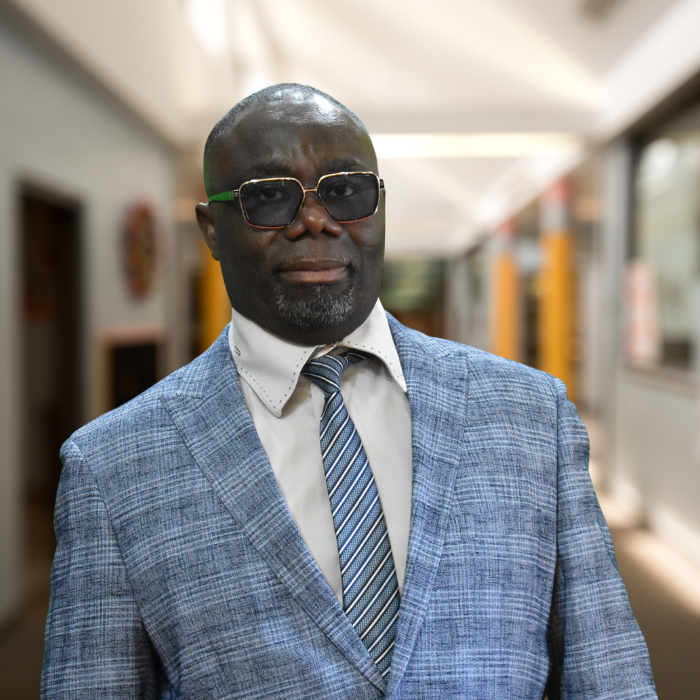
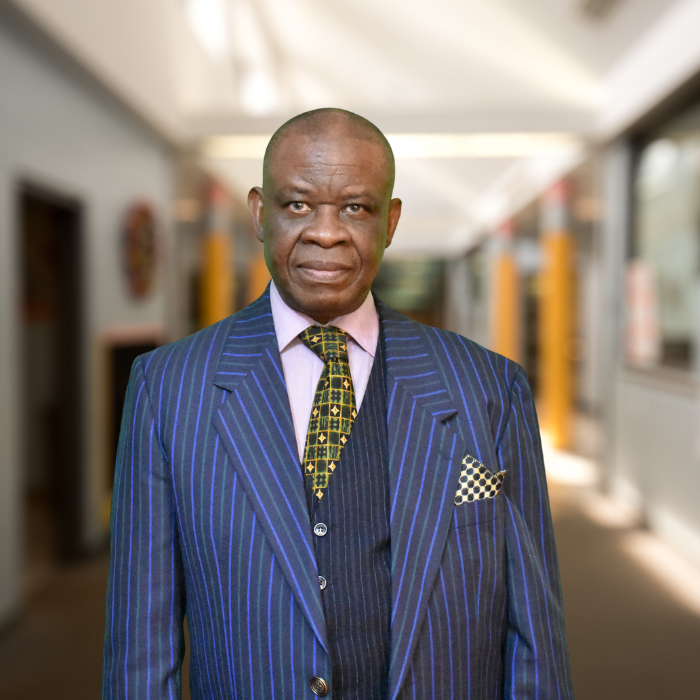
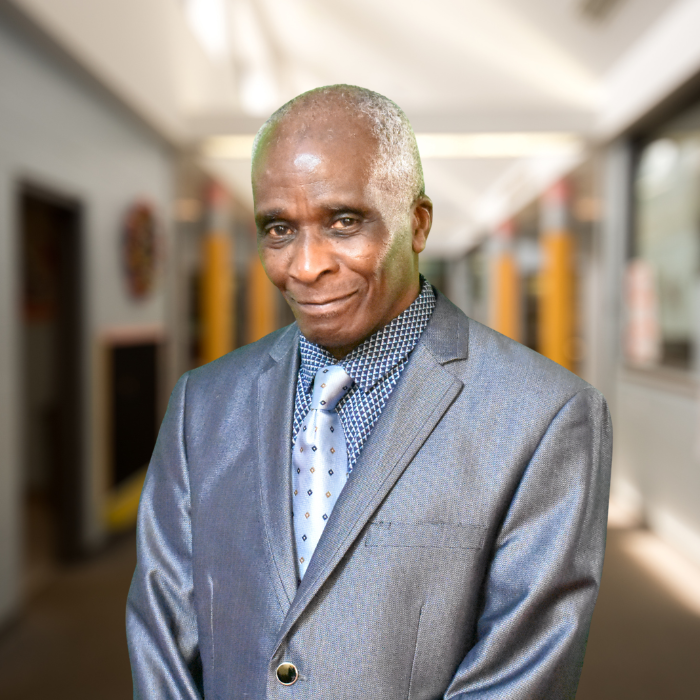
Elders of the Local Assembly

1. The Bible
We believe in the Divine inspiration and authority of the Holy Scriptures; that the Bible (both Old and New Testaments) is infallible in all matters of faith and conduct.
📖 Scripture References:
2 Timothy 3:16–17; 2 Peter 1:20–21; Psalm 119:105; Matthew 24:35
2. The One True God
We believe in the existence of one true God, who is eternally self-existent in three persons: Father, Son, and Holy Spirit, the Creator of heaven and earth.
📖 Scripture References:
Deuteronomy 6:4; Matthew 28:19; 2 Corinthians 13:14; Genesis 1:1; John 1:1–3
3. Depravity of Man
We believe that all have sinned and come short of the glory of God and are therefore subject to eternal punishment; that salvation of mankind depends solely on the grace of God through faith in Christ Jesus.
📖 Scripture References:
Genesis 3:1–19; Romans 3:23; Romans 6:23; Ephesians 2:8–9
4. The Savior
We believe that Jesus Christ is the Son of God, conceived of the Holy Spirit, born of the Virgin Mary, who died on the Cross, rose again, and is now seated at the right hand of the Father. Through His shed blood, all who believe are justified.
📖 Scripture References:
John 3:16; Matthew 1:18–25; Romans 5:8–9; 1 Corinthians 15:3–4; Acts 4:12
5. Repentance, Justification, and Sanctification
We believe that all who repent of their sins and believe in the Lord Jesus Christ are justified by faith and sanctified by the Holy Spirit to live a holy life.
📖 Scripture References:
Acts 2:38; Romans 5:1; 1 Corinthians 6:11; 1 Thessalonians 4:3–7; Hebrews 12:14
6. The Ordinances of the Church
We believe in the following ordinances as commanded by Christ:
(a) Baptism by Immersion — for believers only, as a testimony of the death and resurrection of Christ.
📖 Scripture References:
Matthew 28:19; Mark 16:16; Acts 2:38; Romans 6:3–4
(b) The Lord’s Supper (Holy Communion) — taken in remembrance of Christ’s death and resurrection.
📖 Scripture References:
Luke 22:19–20; 1 Corinthians 11:23–26
(c) Washing of Feet (as a demonstration of humility and service).
📖 Scripture References:
John 13:3–17
7. Baptism, Gifts, and Fruit of the Holy Spirit
We believe in the Baptism of the Holy Spirit with the initial evidence of speaking in tongues, and the operation of the gifts and fruit of the Spirit in the life of the believer.
📖 Scripture References:
Acts 2:1–4; Acts 10:44–46; Acts 19:1–6; 1 Corinthians 12:4–11; Galatians 5:22–23
8. Divine Healing
We believe that divine healing is provided for in the atonement of Christ and is available to all who believe.
📖 Scripture References:
Isaiah 53:4–5; Matthew 8:16–17; Mark 16:17–18; James 5:14–16
9. The Second Coming of Christ and the Next Life
We believe in the personal return of Jesus Christ, the resurrection of the dead, the final judgment, and the eternal bliss of the righteous and eternal punishment of the wicked.
📖 Scripture References:
John 14:1–3; Acts 1:10–11; 1 Thessalonians 4:16–17; Revelation 20:11–15; Matthew 25:31–46
10. Tithes and Offerings
We believe that tithes and offerings are God’s ordained way for the maintenance of His Church and the spreading of the Gospel.
📖 Scripture References:
Malachi 3:10; Matthew 23:23; 1 Corinthians 16:1–2; 2 Corinthians 9:6–7